LPG vs Natural Gas at Home
Gas reaches a home in three ways, and knowing which one serves your place settles most of the lpg vs natural gas questions before they start. Beachmere Plumbing Services covers the differences, the bottle rules and the licensing line here, because Beachmere homes run both setups, from the piped houses in town to the rural-residential blocks out along the coast road.
If we're late, $100 comes off your bill

- Licensed and InsuredEvery job done by a licensed plumber. QBCC No: 15024607
- Fixed Quote FirstFlat-rate pricing, agreed before any work starts
- Lifetime Labour WarrantyBacked by our Fix-It-or-It's-Free guarantee (T&Cs apply)
- $0 Call-Out FeesNo extra charge for nights, weekends or public holidays
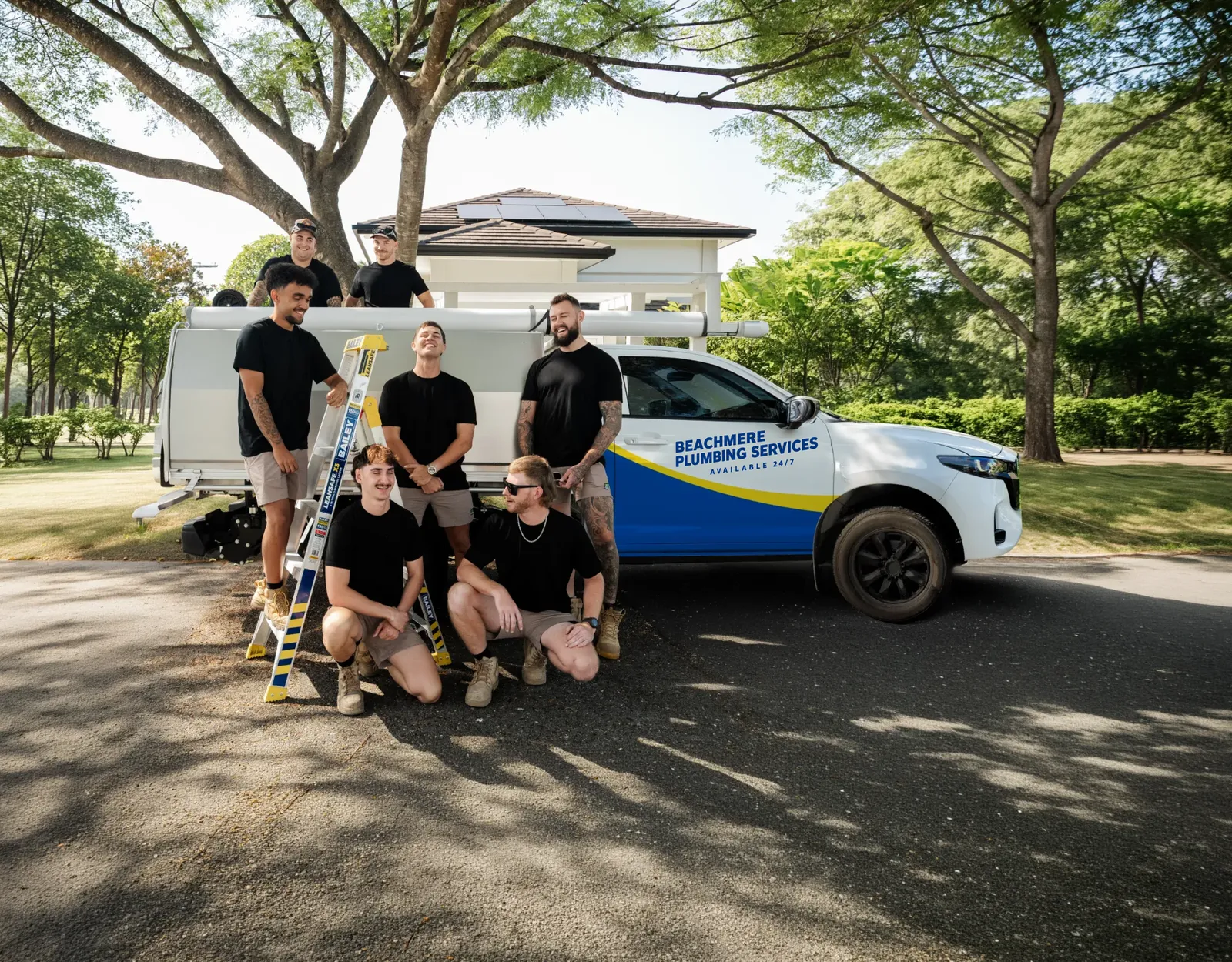
The short version: one fuel comes through a pipe, one usually arrives by delivery, and both demand a licensed gasfitter for anything beyond the tongs.
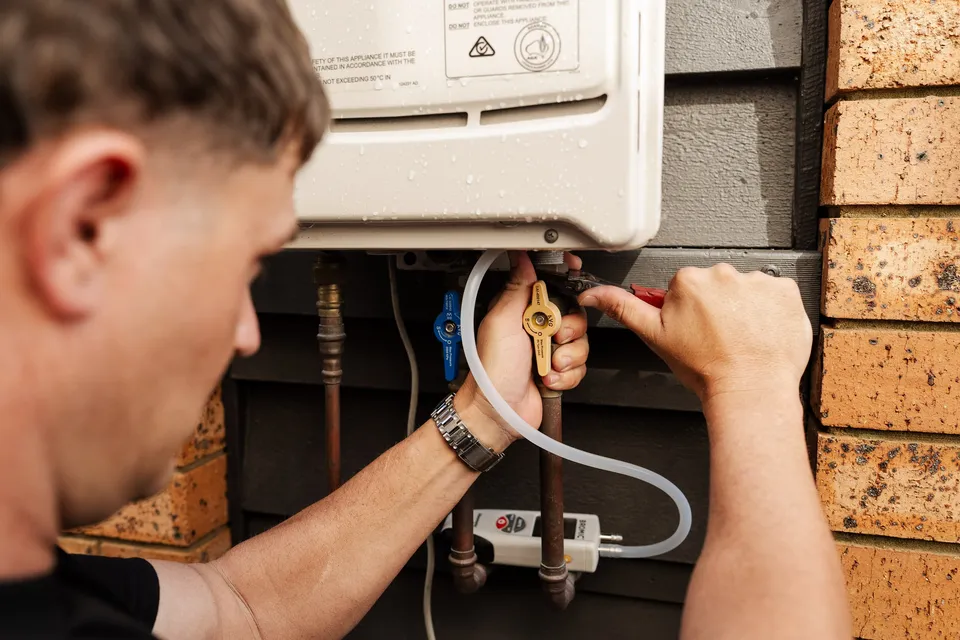
How Natural Gas and LPG Reach Your Home
Natural gas reaches a home through a pipe from a street gas main. LPG arrives instead as a liquid inside a bottle or tank, and turns to gas for use. A home with a gas meter near the front boundary sits on a piped supply. A home with a cylinder against the wall runs on LPG.
One catch trips people up: Queensland also allows piped LPG, reticulated through a small street network. A meter on the boundary does not confirm which fuel runs through it, so the supplier or utility answers that one.
Neither fuel carries a colour or smell of its own. Suppliers add a chemical called mercaptan, which hands every leak the same rotten-egg smell.
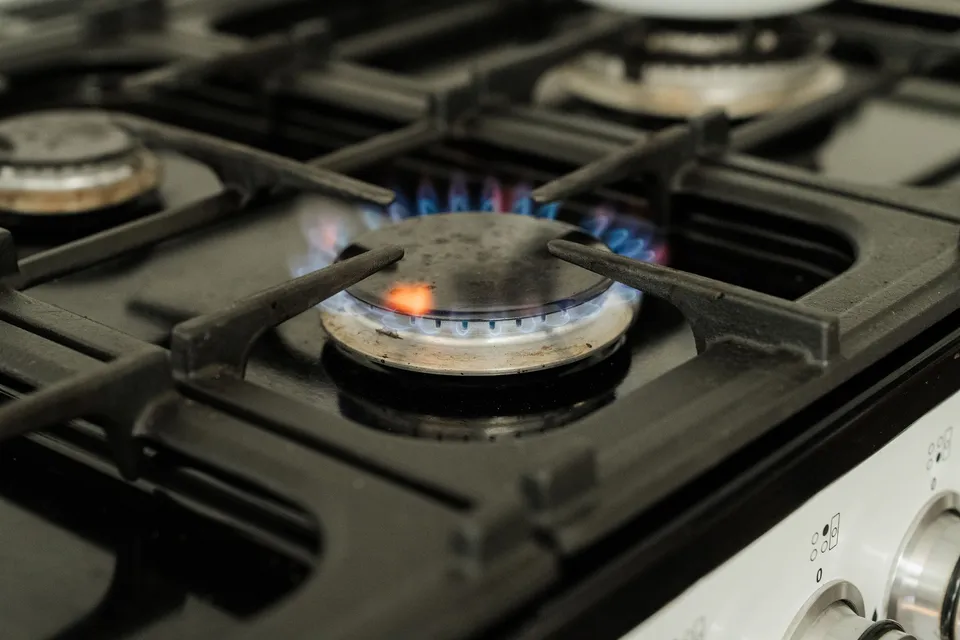
How a Leak Behaves in Each Gas
Methane weighs less than the surrounding air, so a natural gas leak tends to rise and drift apart outdoors. LPG weighs more than air, so it settles instead into low ground and drain grates. Both fuels burn readily, but neither one poisons.
The real hazard is displacement. A sealed space full of fuel gas pushes the oxygen out, and the effects run from nausea and dizziness through to, at the extreme, asphyxiation.
The Queensland response steps stay the same for either fuel: appliance off, doors and windows open, no switches touched, then the supply closed at the meter or the bottle. Call 000 if the smell hangs on.
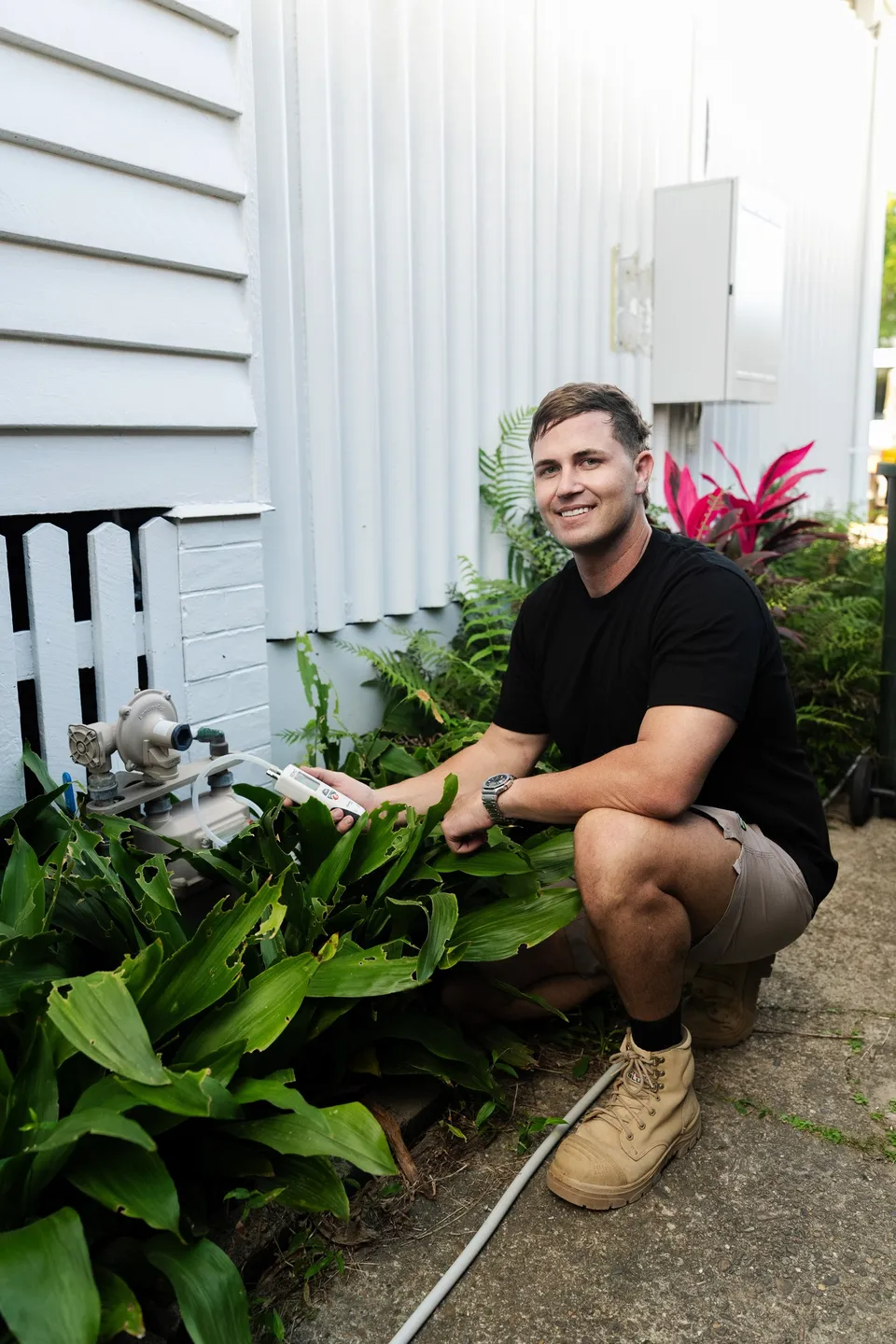
What the Rules Say About Gas Cylinders
A portable LPG cylinder, usually 9 kg, carries a test stamp that runs ten years, and every refill station checks that date before filling a bottle. The rules around carrying and storing gas bottles sit alongside it:
Transport
keep the cylinder secured, and never inside the passenger cabin.
Use and storage
work with the bottle in a ventilated spot, clear of heat and anything that lights a flame.
Spares
keep any backup bottles in one designated, secure place.
The valve
leave it sealed whenever the bottle sits unused, even once it runs empty.
A cylinder that feeds the house belongs to the LPG supplier, and that company keeps it maintained and tested. A smell or visible damage around a connected bottle goes to the distributor, not to us.
The one hard line: never repair or remove a cylinder valve yourself. The valve sits under pressure, and a damaged one turns a small job into a projectile.
The coastal habit here gives these rules a regular workout. School holidays and long weekends fill the foreshore parks and the caravan park, and half those barbecues run on swap bottles that ride in car boots and trays on the way home.
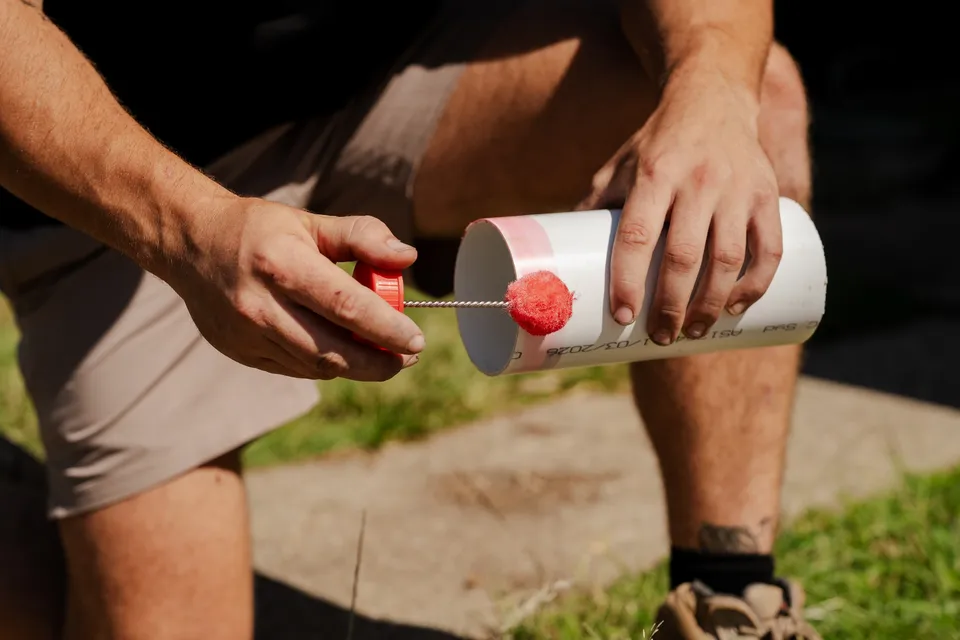
Is Gas Appliance Conversion a Licensed Job
Yes, conversion counts as gas work in Queensland, so a licensed gasfitter holds the job and nothing about it is DIY.
Most gas appliances leave the factory set for one fuel or the other. Moving a cooktop from a natural gas house to an LPG house, or the reverse, means a conversion, not just a new hose.
The gasfitter fits the maker's conversion parts for that exact model, where the manufacturer supplies them, then tests the result before the appliance goes back into service. No parts for that model means no conversion, and a replacement appliance instead.
Always ask to see the gas work licence before any gasfitter starts. A QBCC licensed tradesperson carries it, and showing it takes a minute.
When to Call a Beachmere Plumber
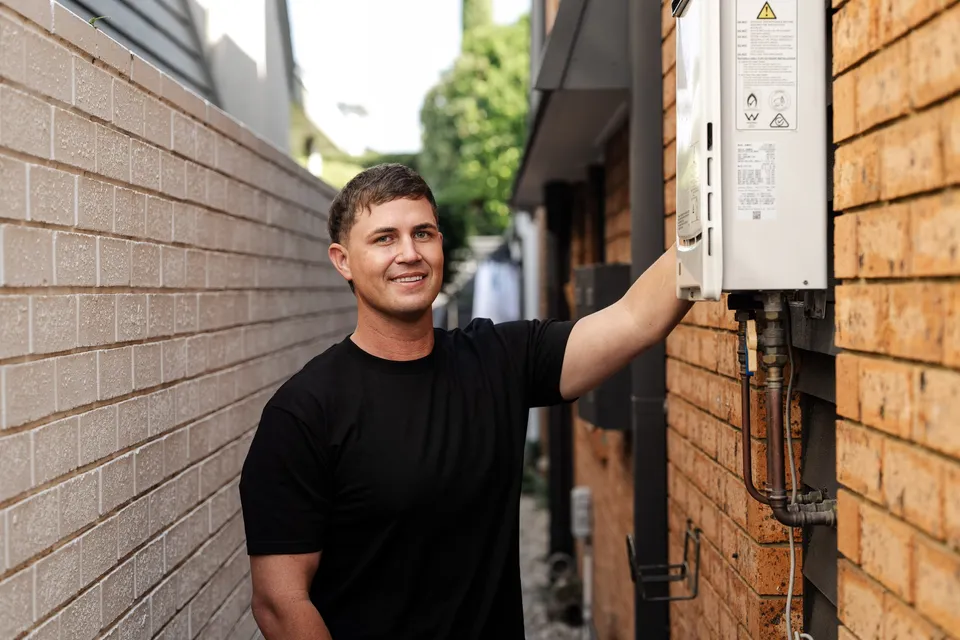
Bring a gasfitter in for anything that carries fuel. Installing a cooktop, oven or heater, adding a bayonet point, converting an appliance between fuels, or chasing a smell all sit inside the licensed boundary. Our gas cooktop installation page walks through what a new appliance involves, from clearances to the compliance certificate.
Planning a conversion before you buy saves the disappointment of an appliance the maker never intended to run on your fuel. Ring us first and we will tell you which questions to ask at the shop.
Questions on Bottled Gas and Mains
Call (07) 3523 7172What is the difference between LPG and natural gas?
Natural gas is methane, piped through a gas meter from a street main. LPG stands for liquefied petroleum gas, delivered as a liquid in bottles and tanks, and sometimes piped as well. Methane rises from a leak while LPG settles low, and both smell of rotten eggs thanks to an added chemical, mercaptan.
Is LPG heavier than air?
Yes, LPG sinks rather than rises, so a leak pools in hollows, pits and drains instead of drifting away. Methane weighs less than air, so it tends to climb and thin out in the open. A Beachmere gully trap or trench is exactly where bottled gas collects, so treat any smell as urgent.
Who may convert a gas appliance in Beachmere?
Only a licensed gasfitter. Queensland defines gas work broadly: installing, altering, repairing, servicing, testing or certifying any gas system and its pipework. Before anyone touches your cooktop, heater or oven, ask them to show you their gas work licence.
What does the stamp date on a gas bottle mean?
The stamp shows the cylinder passed testing and runs out ten years from that test. A portable bottle, usually 9 kg, needs a current stamp before any refill station will fill it, because the station checks the date on every cylinder. Ask the attendant to point out the date ring next swap.

Call Us About Your Gas SetupWe'll call you back.
Ring (07) 3523 7172 and tell us what's wrong. You get $0 call-out fees, a fixed quote before any work starts and same-day where we can, 7 days a week.
To claim your $0 call-out fee, call (07) 3523 7172 today.